

AHA CPR Training for Educators: Empowering K-12 Staff with Life-Saving Skills

When it comes to the safety and well-being of children in schools, preparedness is everything. As educators, we hold a unique responsibility to act swiftly and confidently in emergencies. That’s why AHA CPR training for educators is not just a recommendation but a vital component of school safety protocols. In this post, I’ll walk you through why CPR training tailored for K-12 educators matters, what it involves, and how it can transform your ability to respond effectively in critical moments.
Why CPR Training for Educators is Essential
Schools are dynamic environments where children of all ages engage in activities that sometimes lead to unexpected accidents or medical emergencies. From playground mishaps to sudden cardiac arrest, the ability to perform CPR can mean the difference between life and death.
As educators, we are often the first adults on the scene. Having certified CPR skills ensures that we can provide immediate care while waiting for emergency medical services. This training also reinforces a culture of safety and preparedness within the school community.
Here are some key reasons why CPR training is indispensable for educators:
Immediate Response Saves Lives: Cardiac arrest survival rates drop by 7-10% every minute without CPR.
Confidence in Emergencies: Training builds the confidence to act decisively rather than freeze.
Legal and Ethical Responsibility: Many states require CPR certification for school staff.
Promotes a Safe Learning Environment: Students and parents feel reassured knowing staff are prepared.
By investing in CPR training, educators become frontline heroes who can protect and preserve life.
What Does CPR Training for Educators Include?
The American Heart Association (AHA) designs CPR courses specifically for non-medical professionals, including K-12 educators. These courses are structured to be accessible, practical, and focused on real-world scenarios educators might face.
Here’s what you can expect from an AHA CPR training session for educators:
Basic Life Support (BLS) Techniques: Learn how to perform high-quality chest compressions and rescue breaths.
Use of Automated External Defibrillators (AEDs): Hands-on practice with AED devices, which are increasingly available in schools.
Recognition of Cardiac Arrest and Other Emergencies: Identifying signs and symptoms quickly.
Choking Relief Procedures: Techniques for helping students who are choking.
Scenario-Based Learning: Role-playing common school emergencies to build muscle memory.
Certification: Upon successful completion, receive an AHA CPR certification valid for two years.
The training is designed to be engaging and interactive, ensuring that educators not only understand the theory but can confidently apply skills when it counts.
How AHA CPR Training Fits into School Safety Plans
Integrating CPR training into your school’s safety plan is a strategic move that enhances overall emergency preparedness. Here’s how it fits:
Staff Training Requirements: Many school districts mandate CPR certification for teachers, coaches, and support staff.
Emergency Response Teams: Trained educators can form rapid response teams to handle medical emergencies.
Parent and Community Confidence: Demonstrates a commitment to student safety.
Compliance with Regulations: Meets state and federal guidelines for school health and safety.
By embedding CPR training into professional development, schools create a safer environment and reduce liability risks.

Practical Tips for Maintaining CPR Skills
Certification is just the beginning. To ensure readiness, educators should regularly refresh their skills and knowledge. Here are some practical tips:
Schedule Regular Refresher Courses: Even before certification expires, periodic refreshers help maintain confidence.
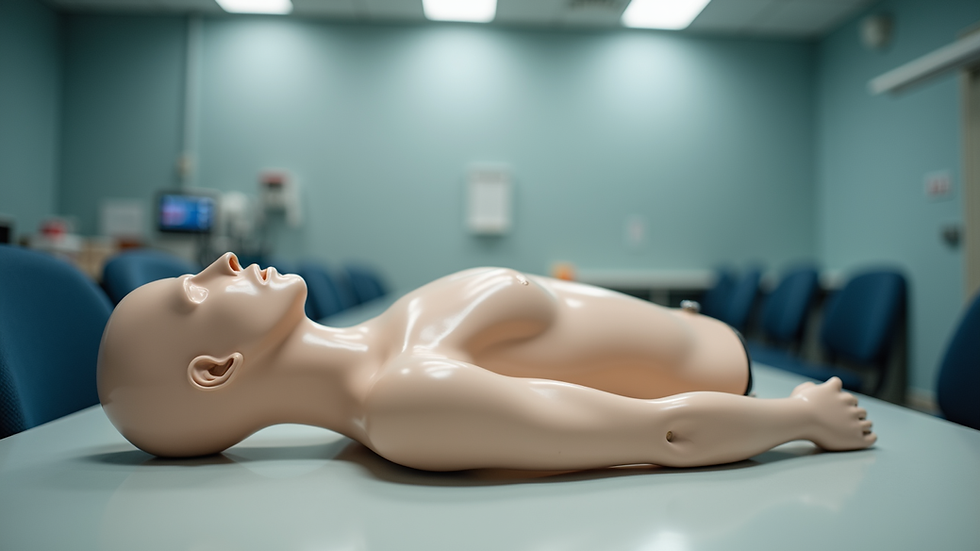
Practice with Mannequins: Hands-on practice reinforces muscle memory.
Stay Updated on Guidelines: The AHA updates CPR protocols periodically; staying informed is crucial.
Encourage Peer Training: Form study groups or practice sessions with colleagues.
Incorporate CPR Drills: Simulate emergency scenarios during staff meetings or training days.
These steps help keep CPR skills sharp and ensure educators are always prepared to act.
How Dyvine Medical & Wellness Supports Your CPR Training Needs
At Dyvine Medical & Wellness, we understand the importance of accessible, high-quality CPR training for educators. Our concierge-style approach brings professional, medically supervised CPR/BLS certification directly to your school or organization. We prioritize:
Convenience: Mobile and in-office training tailored to your schedule.
Expertise: Certified instructors with clinical experience.
Accountability: High standards of care and compliance.
Support: Ongoing guidance to maintain certification and skills.
Whether you’re a school administrator or an educator seeking certification, we make the process seamless and effective. Our goal is to empower you with the confidence and competence to save lives.
For those interested in enrolling, check out our aha k-12 educator cpr training program designed specifically for K-12 staff.
Taking the Next Step Toward Preparedness
Becoming CPR certified is more than a credential - it’s a commitment to the safety and well-being of every student. By investing in AHA CPR training, educators gain the skills and confidence to respond effectively in emergencies. This training not only saves lives but also fosters a culture of care and responsibility within schools.
If you’re ready to enhance your emergency preparedness and join a community of trained educators, consider scheduling your CPR training with Dyvine Medical & Wellness today. Together, we can make schools safer, one life-saving skill at a time.


Comments